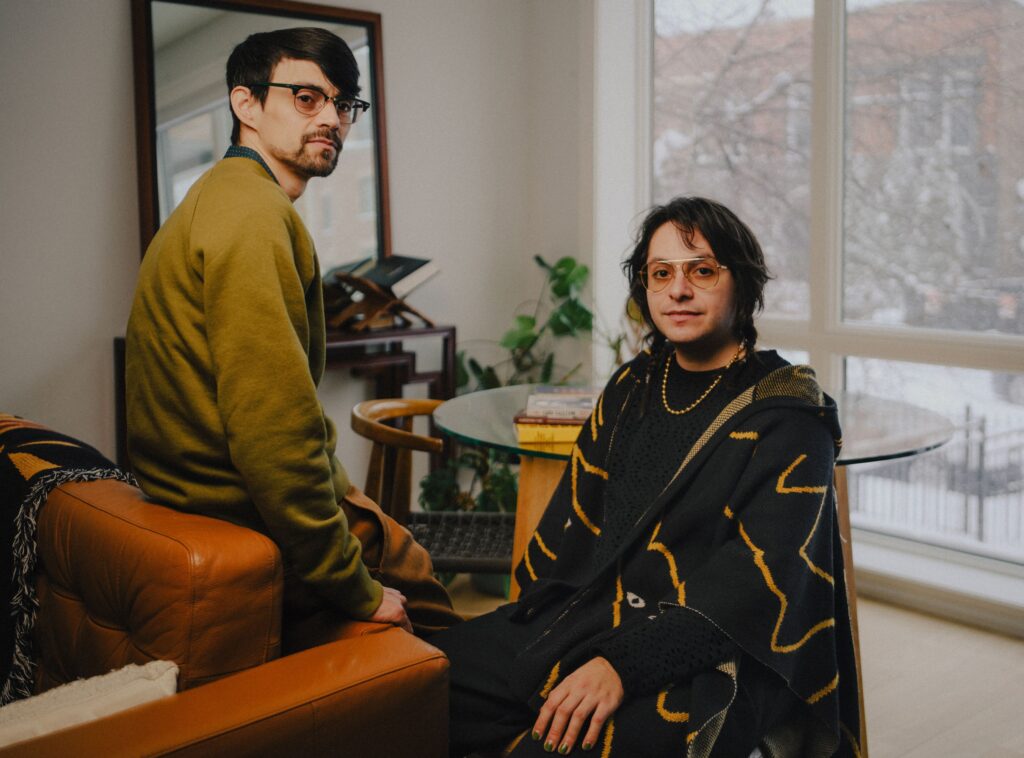
Early on the morning of September 2, 2024, a Chicago Transit Authority Blue Line train was the scene of a random and horrific mass shooting. Four people were shot and killed on a westbound train as it approached the suburb of Forest Park. The police swiftly activated a digital dragnet—a surveillance network that connects thousands of cameras in the city. The process began with a quick review of the transit agency’s surveillance cameras, which captured the alleged gunman shooting the victims execution style. Law enforcement followed the suspect, through real-time footage, across the rapid-transit system. Police officials circulated the images to transit staff and to thousands of officers. An officer in the adjacent suburb of Riverdale recognized the suspect from a previous arrest. By the time he was captured at another train station, just 90 minutes after the shooting, authorities already had his name, address, and previous arrest history. Little of this process would come as much surprise to Chicagoans. The city has tens of thousands of surveillance cameras—up to 45,000, by some estimates. That’s among the highest numbers per capita in the US. Chicago boasts one of the largest license plate reader systems in the country, and the ability to access audio and video surveillance from independent agencies such as the Chicago Public Schools, the Chicago Park District, and the public transportation system as well as many residential and commercial security systems such as Ring doorbell cameras. Law enforcement and security advocates say this vast monitoring system protects public safety and works well. But activists and many residents say it’s a surveillance panopticon that creates a chilling effect on behavior and violates guarantees of privacy and free speech. Black and Latino communities in Chicago have historically been targeted by excessive policing and surveillance, says Lance Williams, a scholar of urban violence at Northeastern Illinois University. That scrutiny has created new problems without delivering the promised safety, he suggests. In order to “solve the problem of crime or violence and make these communities safer,” he says, “you have to deal with structural problems,” such as the shortage of livable-wage jobs, affordable housing, and mental-health services across the city. Recent years have seen some effective pushback against the surveillance. Until recently, for example, the city was the largest customer of ShotSpotter acoustic sensors, which are designed to detect gunfire and alert police. The system was introduced in a small area on the South Side in 2012. By 2018, an area of about 136 square miles—some 60% of the city—was covered by the acoustic surveillance network. Critics questioned ShotSpotter’s effectiveness and objected that the sensors were installed largely in Black and Latino neighborhoods. Those critiques gained urgency with the fatal shooting in March 2021 of a 13-year-old, Adam Toledo, by police responding to a ShotSpotter alert. The tragedy became the touchstone of the #StopShotSpotter protest movement and one of the major issues in Brandon Johnson’s successful mayoral campaign in 2023. When he reached office, Johnson followed through, ending the city’s contract with SoundThinking, the San Francisco Bay Area company behind ShotSpotter. In total, it’s estimated the city paid more than $53 million for the system. In response to a request for comment, SoundThinking said that ShotSpotter enables law enforcement “to reach the scene faster, render aid to victims, and locate evidence more effectively.” It stated the company “plays no part in the selection of deployment areas” but added: “We believe communities experiencing the highest levels of gun violence deserve the same rapid emergency response as any other neighborhood.” While there has been successful resistance to police surveillance in the nation’s third-largest city, there are also countervailing forces: governments and officials in Chicago and the surrounding suburbs are moving to expand the use of surveillance, also in response to public pressure. Even the victory against acoustic surveillance might be short-lived. Early last year, the city issued a request for proposals for gun violence detection technology. Many people in and around Chicago—digital privacy and surveillance activists, defense attorneys, law enforcement officials, and ordinary citizens—are part of this push and pull. Here are some of their stories. Alejandro Ruizesparza and Freddy MartinezCofounders, Lucy Parsons Labs Oak Park, a quiet suburb at Chicago’s western border, is the birthplace of Ernest Hemingway. It includes the world’s largest collection of Frank Lloyd Wright–designed buildings and homes. Until recently, the village of Oak Park was also the center of a three-year-long campaign against an unwelcome addition to its manicured lawns and Prairie-style architecture: automated license plate readers from a company called Flock Safety. These are high-speed cameras that automatically scan license plates to look for stolen or wanted vehicles, or for drivers with outstanding warrants. Freddy Martinez (left) and Alejandro Ruizesparza (right) direct Lucy Parsons Labs, a charitable organization focused on digital rights.AKILAH TOWNSEND An Oak Park group called Freedom to Thrive—made up of parents, activists, lawyers, data scientists, and many others—suspected that this technology was not a good or equitable addition to their neighborhood. So the group engaged the Chicago-based nonprofit Lucy Parsons Labs to help navigate the often intimidating process of requesting license plate reader data under the Illinois Freedom of Information Act. Lucy Parsons Labs, which is named for a turn-of-the-century Chicago labor organizer, investigates technologies such as license plate readers, gunshot detection systems, and police bodycams. LPL provides digital security and public records training to a variety of groups and is frequently called on to help community members audit and analyze surveillance systems that are targeting their neighborhoods. It’s led by two first-generation Mexican-Americans from the city’s Southwest Side. Alejandro Ruizesparza has a background in community organizing and data science. Freddy Martinez was also a community organizer and has a background in physics. The group is now approaching its 10th year, but it was an all-volunteer effort until 2022. That’s when LPL received its first unrestricted, multi-year operational grant from a large foundation: the Chicago-based John D. and Catherine T. MacArthur Foundation, known worldwide for its so-called “genius grants.” A grant from the Ford Foundation