Hackers made death threats against this security researcher. Big mistake.
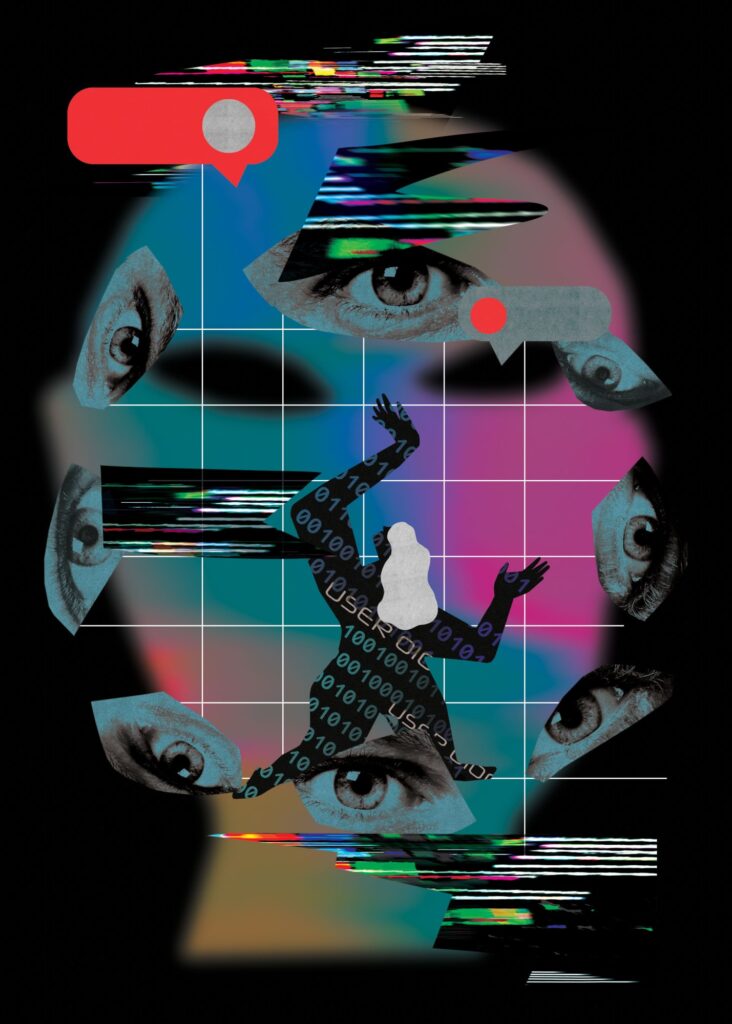
The threats started in spring. In April 2024, a mysterious someone using the online handles “Waifu” and “Judische” began posting death threats on Telegram and Discord channels aimed at a cybersecurity researcher named Allison Nixon. “Alison [sic] Nixon is gonna get necklaced with a tire filled with gasoline soon,” wrote Waifu/Judische, both of which are words with offensive connotations. “Decerebration is my fav type of brain death, thats whats gonna happen to alison Nixon.” It wasn’t long before others piled on. Someone shared AI-generated nudes of Nixon. These anonymous personas targeted Nixon because she had become a formidable threat: As chief research officer at the cyber investigations firm Unit 221B, named after Sherlock Holmes’s apartment, she had built a career tracking cybercriminals and helping get them arrested. For years she had lurked quietly in online chat channels or used pseudonyms to engage with perpetrators directly while piecing together clues they’d carelessly drop about themselves and their crimes. This had helped her bring to justice a number of cybercriminals—especially members of a loosely affiliated subculture of anarchic hackers who call themselves the Com. But members of the Com aren’t just involved in hacking; some of them also engage in offline violence against researchers who track them. This includes bricking (throwing a brick through a victim’s window) and swatting (a dangerous type of hoax that involves reporting a false murder or hostage situation at someone’s home so SWAT teams will swarm it with guns drawn). Members of a Com offshoot known as 764 have been accused of even more violent acts—including animal torture, stabbings, and school shootings—or of inciting others in and outside the Com to commit these crimes. Nixon started tracking members of the community more than a decade ago, when other researchers and people in law enforcement were largely ignoring them because they were young—many in their teens. Her early attention allowed her to develop strategies for unmasking them. Ryan Brogan, a special agent with the FBI, says Nixon has helped him and colleagues identify and arrest more than two dozen members of the community since 2011, when he first began working with her, and that her skills in exposing them are unparalleled. “If you get on Allison’s and my radar, you’re going [down]. It’s just a matter of time,” he says. “No matter how much digital anonymity and tradecraft you try to apply, you’re done.” Though she’d done this work for more than a decade, Nixon couldn’t understand why the person behind the Waifu/Judische accounts was suddenly threatening her. She had given media interviews about the Com—most recently on 60 Minutes—but not about her work unmasking members to get them arrested, so the hostility seemed to come out of the blue. And although she had taken an interest in the Waifu persona in years past for crimes he boasted about committing, he hadn’t been on her radar for a while when the threats began, because she was tracking other targets. Now Nixon resolved to unmask Waifu/Judische and others responsible for the death threats—and take them down for crimes they admitted to committing. “Prior to them death-threatening me, I had no reason to pay attention to them,” she says. Com beginnings Most people have never heard of the Com, but its influence and threat are growing. It’s an online community comprising loosely affiliated groups of, primarily, teens and twentysomethings in North America and English-speaking parts of Europe who have become part of what some call a cybercrime youth movement. International laws and norms, and fears of retaliation, prevent states from going all out in cyber operations. That doesn’t stop the anarchic Com. Over the last decade, its criminal activities have escalated from simple distributed denial-of-service (DDoS) attacks that disrupt websites to SIM-swapping hacks that hijack a victim’s phone service, as well as crypto theft, ransomware attacks, and corporate data theft. These crimes have affected AT&T, Microsoft, Uber, and others. Com members have also been involved in various forms of sextortion aimed at forcing victims to physically harm themselves or record themselves doing sexually explicit activities. The Com’s impact has also spread beyond the digital realm to kidnapping, beatings, and other violence. One longtime cybercrime researcher, who asked to remain anonymous because of his work, says the Com is as big a threat in the cyber realm as Russia and China—for one unusual reason. “There’s only so far that China is willing to go; there’s only so far that Russia or North Korea is willing to go,” he says, referring to international laws and norms, and fears of retaliation, that prevent states from going all out in cyber operations. That doesn’t stop the anarchic Com, he says. FRANZISKA BARCZYK “It is a pretty significant threat, and people tend to … push it under the rug [because] it’s just a bunch of kids,” he says. “But look at the impact [they have].” Brogan says the amount of damage they do in terms of monetary losses “can become staggering very quickly.” There is no single site where Com members congregate; they spread across a number of web forums and Telegram and Discord channels. The group follows a long line of hacking and subculture communities that emerged online over the last two decades, gained notoriety, and then faded or vanished after prominent members were arrested or other factors caused their decline. They differed in motivation and activity, but all emerged from “the same primordial soup,” says Nixon. The Com’s roots can be traced to the Scene, which began as a community of various “warez” groups engaged in pirating computer games, music, and movies. When Nixon began looking at the Scene, in 2011, its members were hijacking gaming accounts, launching DDoS attacks, and running booter services. (DDoS attacks overwhelm a server or computer with traffic from bot-controlled machines, preventing legitimate traffic from getting through; booters are tools that anyone can rent to launch a DDoS attack against a target of choice.) While they made some money, their primary goal was notoriety. This changed around
Hackers made death threats against this security researcher. Big mistake. 投稿を読む »